

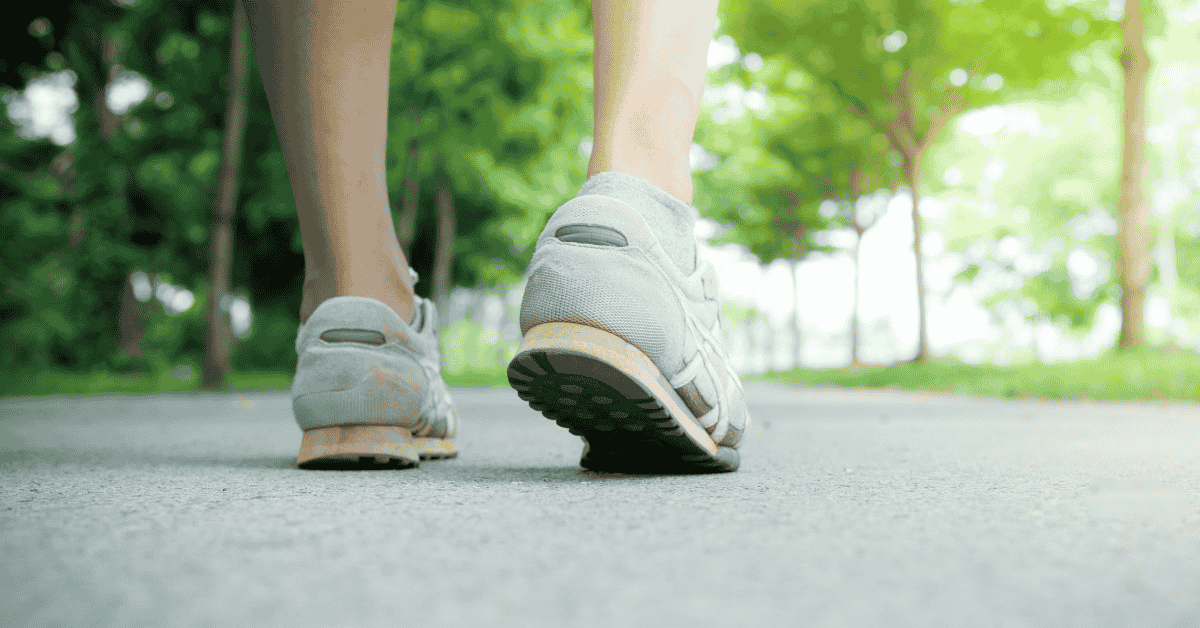
Most people don’t think twice about how they walk — until something starts to hurt.
But your walking pattern, also known as your gait, reveals more about your health than you might expect. Subtle changes in how your foot strikes the ground, how your weight is distributed, or how your body moves can signal underlying issues.
At Bellagio Foot & Ankle, gait analysis is a powerful tool we use to uncover the root cause of foot, ankle, and even knee pain.
What Is Gait Analysis?
Gait analysis is the study of how you walk. It evaluates:
- Foot alignment
- Step pattern
- Weight distribution
- Joint movement
- Balance and stability
Even small abnormalities can lead to significant stress on your body over time.
Common Gait Issues and What They Mean
1. Overpronation (Feet Rolling Inward)
This occurs when the arch collapses excessively with each step.
It may indicate:
- Flat feet
- Weak foot muscles
- Posterior tibial tendon dysfunction
Over time, this can contribute to heel pain, shin splints, and knee problems.
2. Supination (Feet Rolling Outward)
High arches often cause the foot to roll outward, reducing shock absorption.
This may lead to:
- Increased impact on joints
- Stress fractures
- Ankle instability
3. Limping
Limping is often your body’s way of avoiding pain.
It can be caused by:
- Injury
- Inflammation
- Structural imbalance
Even temporary limping can create long-term compensation patterns.
4. Uneven Shoe Wear
Take a look at the bottom of your shoes.
- Worn on the inside? You may overpronate.
- Worn on the outside? You may supinate.
Your shoes often reveal problems before you feel them.
Why Gait Matters Beyond Your Feet
Because your body is connected, abnormal gait patterns can affect:
- Knees
- Hips
- Lower back
Addressing foot mechanics can relieve pain in areas you might not expect.
When Is It a Red Flag?
Consider a professional evaluation if you notice:
- Frequent foot or ankle pain
- Repeated injuries
- Uneven shoe wear
- Fatigue when walking
- Balance issues
These signs often indicate underlying biomechanical problems.
How We Help at Bellagio Foot & Ankle
Our approach includes:
- Detailed biomechanical evaluation
- Gait observation and analysis
- Custom orthotic recommendations
- Footwear guidance
- Targeted treatment plans
Correcting gait issues can significantly improve comfort and prevent future injuries.
Small Changes, Big Impact
You don’t have to completely change how you walk overnight. Often, subtle corrections and proper support can make a dramatic difference.
Walk Smarter, Not Harder
If something feels off when you walk, your body is trying to tell you something.
Schedule a gait evaluation at Bellagio Foot & Ankle and take the first step toward better movement and long-term health.
Schedule a Consultation
Fill out the form below to schedule an appointment. We do our best to contact you within 24-48 hours. Thank you!
Most people don’t think twice about how they walk — until something starts to hurt.
But your walking pattern, also known as your gait, reveals more about your health than you might expect. Subtle changes in how your foot strikes the ground, how your weight is distributed, or how your body moves can signal underlying issues.
At Bellagio Foot & Ankle, gait analysis is a powerful tool we use to uncover the root cause of foot, ankle, and even knee pain.
What Is Gait Analysis?
Gait analysis is the study of how you walk. It evaluates:
- Foot alignment
- Step pattern
- Weight distribution
- Joint movement
- Balance and stability
Even small abnormalities can lead to significant stress on your body over time.
Common Gait Issues and What They Mean
1. Overpronation (Feet Rolling Inward)
This occurs when the arch collapses excessively with each step.
It may indicate:
- Flat feet
- Weak foot muscles
- Posterior tibial tendon dysfunction
Over time, this can contribute to heel pain, shin splints, and knee problems.
2. Supination (Feet Rolling Outward)
High arches often cause the foot to roll outward, reducing shock absorption.
This may lead to:
- Increased impact on joints
- Stress fractures
- Ankle instability
3. Limping
Limping is often your body’s way of avoiding pain.
It can be caused by:
- Injury
- Inflammation
- Structural imbalance
Even temporary limping can create long-term compensation patterns.
4. Uneven Shoe Wear
Take a look at the bottom of your shoes.
- Worn on the inside? You may overpronate.
- Worn on the outside? You may supinate.
Your shoes often reveal problems before you feel them.
Why Gait Matters Beyond Your Feet
Because your body is connected, abnormal gait patterns can affect:
- Knees
- Hips
- Lower back
Addressing foot mechanics can relieve pain in areas you might not expect.
When Is It a Red Flag?
Consider a professional evaluation if you notice:
- Frequent foot or ankle pain
- Repeated injuries
- Uneven shoe wear
- Fatigue when walking
- Balance issues
These signs often indicate underlying biomechanical problems.
How We Help at Bellagio Foot & Ankle
Our approach includes:
- Detailed biomechanical evaluation
- Gait observation and analysis
- Custom orthotic recommendations
- Footwear guidance
- Targeted treatment plans
Correcting gait issues can significantly improve comfort and prevent future injuries.
Small Changes, Big Impact
You don’t have to completely change how you walk overnight. Often, subtle corrections and proper support can make a dramatic difference.
Walk Smarter, Not Harder
If something feels off when you walk, your body is trying to tell you something.
Schedule a gait evaluation at Bellagio Foot & Ankle and take the first step toward better movement and long-term health.