

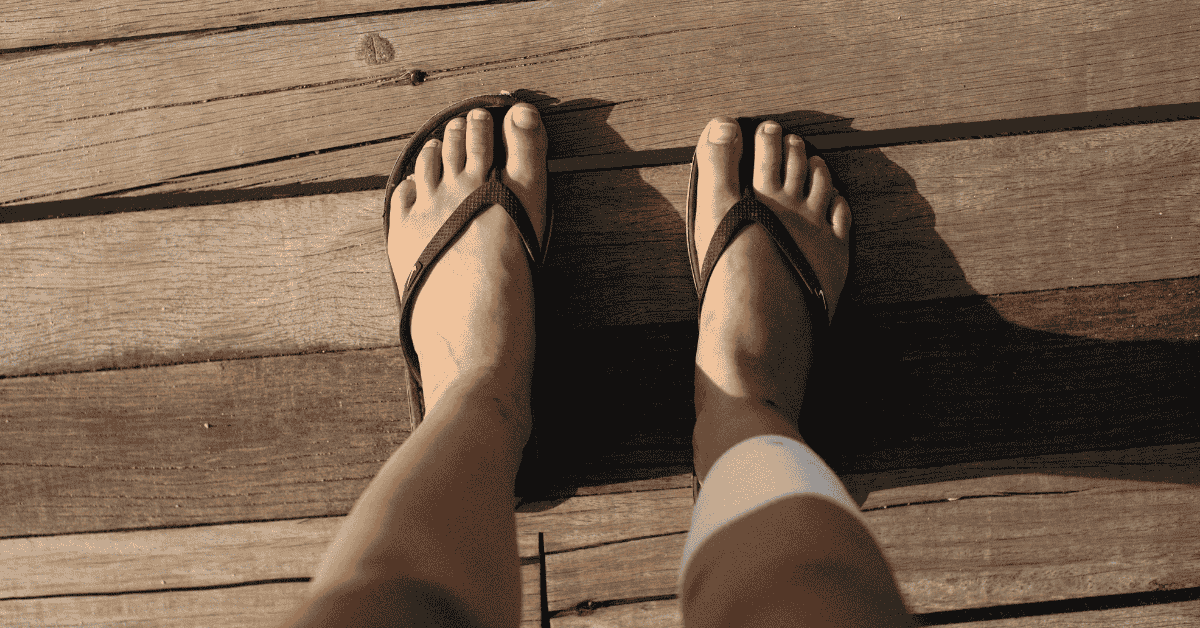
In Arizona, flip-flops are practically a lifestyle.
They’re convenient, breathable, and perfect for warm weather. But while they may feel comfortable, wearing flip-flops regularly can have long-term consequences for your foot health.
At Bellagio Foot & Ankle, we often see patients whose foot pain can be traced back to years of wearing unsupportive footwear — especially flip-flops.
What Makes Flip-Flops Problematic?
Most flip-flops lack the structural support your feet need.
They typically have:
- Flat soles with no arch support
- Minimal cushioning
- No heel stability
- No secure fit
This forces your feet to work harder with every step.
The Hidden Strain on Your Feet
To keep flip-flops on, your toes must grip constantly. Over time, this can lead to:
- Toe fatigue
- Tendon strain
- Changes in walking pattern
Additionally, the lack of support can cause your arches to collapse, leading to conditions like plantar fasciitis.
Common Problems Linked to Flip-Flops
1. Heel Pain
Without proper support, the plantar fascia absorbs more stress, increasing the risk of inflammation.
2. Arch Pain
Flat, unsupportive soles provide no reinforcement for the arch, leading to fatigue and discomfort.
3. Tendonitis
Extra strain on foot and ankle tendons can cause inflammation over time.
4. Increased Injury Risk
Because flip-flops are loose, they offer little protection or stability — increasing the risk of trips, falls, and ankle sprains.
Are All Sandals Bad?
Not necessarily.
Supportive sandals with:
- Built-in arch support
- Contoured footbeds
- Secure straps
- Shock absorption
can be a better alternative for warm climates.
When Flip-Flops Are Okay
Occasional use — like at the pool or beach — is generally fine.
Problems arise when flip-flops become your everyday footwear.
Signs Your Footwear Is Causing Problems
- Foot pain at the end of the day
- Heel pain in the morning
- Arch fatigue
- Increased ankle instability
If you notice these symptoms, your shoes may be contributing.
Better Choices for Everyday Wear
Look for footwear that:
- Supports your arch
- Secures your foot
- Provides cushioning without instability
- Matches your activity level
At Bellagio Foot & Ankle, we can recommend footwear based on your specific foot structure and lifestyle.
Protect Your Feet Without Giving Up Comfort
You don’t have to sacrifice comfort to protect your feet — but you do need the right kind of support.
If you’re experiencing foot pain and regularly wear flip-flops, it may be time to rethink your footwear.
Schedule an evaluation with Bellagio Foot & Ankle and take the first step toward healthier, pain-free feet.
Schedule a Consultation
Fill out the form below to schedule an appointment. We do our best to contact you within 24-48 hours. Thank you!
In Arizona, flip-flops are practically a lifestyle.
They’re convenient, breathable, and perfect for warm weather. But while they may feel comfortable, wearing flip-flops regularly can have long-term consequences for your foot health.
At Bellagio Foot & Ankle, we often see patients whose foot pain can be traced back to years of wearing unsupportive footwear — especially flip-flops.
What Makes Flip-Flops Problematic?
Most flip-flops lack the structural support your feet need.
They typically have:
- Flat soles with no arch support
- Minimal cushioning
- No heel stability
- No secure fit
This forces your feet to work harder with every step.
The Hidden Strain on Your Feet
To keep flip-flops on, your toes must grip constantly. Over time, this can lead to:
- Toe fatigue
- Tendon strain
- Changes in walking pattern
Additionally, the lack of support can cause your arches to collapse, leading to conditions like plantar fasciitis.
Common Problems Linked to Flip-Flops
1. Heel Pain
Without proper support, the plantar fascia absorbs more stress, increasing the risk of inflammation.
2. Arch Pain
Flat, unsupportive soles provide no reinforcement for the arch, leading to fatigue and discomfort.
3. Tendonitis
Extra strain on foot and ankle tendons can cause inflammation over time.
4. Increased Injury Risk
Because flip-flops are loose, they offer little protection or stability — increasing the risk of trips, falls, and ankle sprains.
Are All Sandals Bad?
Not necessarily.
Supportive sandals with:
- Built-in arch support
- Contoured footbeds
- Secure straps
- Shock absorption
can be a better alternative for warm climates.
When Flip-Flops Are Okay
Occasional use — like at the pool or beach — is generally fine.
Problems arise when flip-flops become your everyday footwear.
Signs Your Footwear Is Causing Problems
- Foot pain at the end of the day
- Heel pain in the morning
- Arch fatigue
- Increased ankle instability
If you notice these symptoms, your shoes may be contributing.
Better Choices for Everyday Wear
Look for footwear that:
- Supports your arch
- Secures your foot
- Provides cushioning without instability
- Matches your activity level
At Bellagio Foot & Ankle, we can recommend footwear based on your specific foot structure and lifestyle.
Protect Your Feet Without Giving Up Comfort
You don’t have to sacrifice comfort to protect your feet — but you do need the right kind of support.
If you’re experiencing foot pain and regularly wear flip-flops, it may be time to rethink your footwear.
Schedule an evaluation with Bellagio Foot & Ankle and take the first step toward healthier, pain-free feet.