

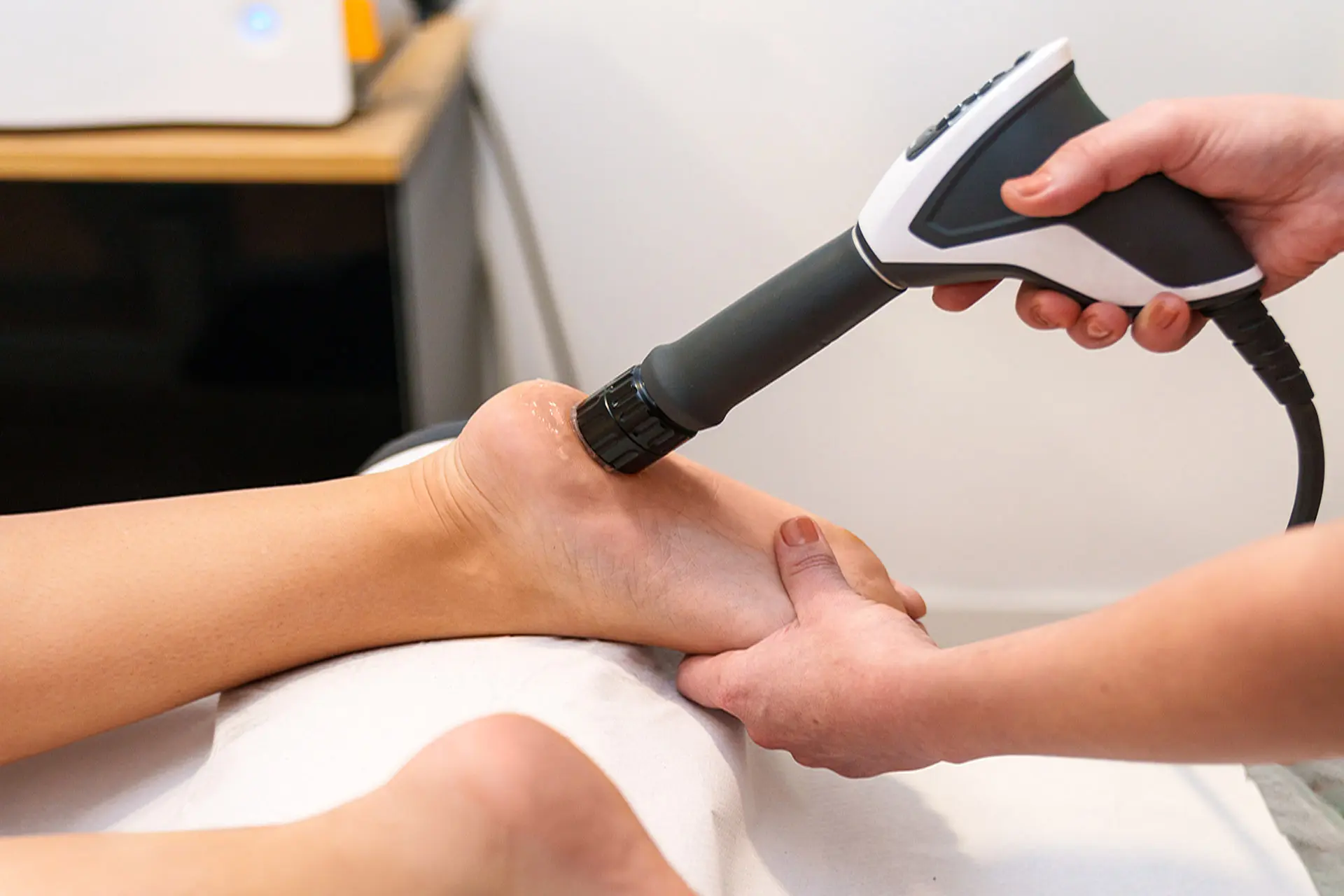
Heel pain is one of the most common foot problems affecting adults today, and plantar fasciitis is often the reason behind it. Many patients experience sharp pain near the bottom of the heel, especially during the first few steps in the morning or after long periods of standing.
Because the pain can become severe and interfere with daily activities, many people immediately worry about needing surgery. However, the good news is that most plantar fasciitis cases can improve without surgical treatment when diagnosed early and managed properly.
Patients searching for plantar fasciitis treatment in Phoenix are increasingly choosing conservative, non-surgical options that focus on reducing inflammation, improving foot support, and helping the body heal naturally.
In this article, we’ll explain what plantar fasciitis is, why it develops, and how non-surgical treatments may help relieve heel pain effectively.
What Is Plantar Fasciitis?
Plantar fasciitis is a condition caused by inflammation or irritation of the plantar fascia — a thick band of tissue that connects the heel bone to the toes and supports the arch of the foot.
When excessive strain is placed on this tissue over time, small tears and inflammation can develop, leading to heel pain and stiffness.
The condition is especially common among:
- People who stand for long hours
- Runners and athletes
- Individuals with flat feet or high arches
- Patients who are overweight
- Adults between the ages of 40 and 60
Although plantar fasciitis can become painful, most patients recover successfully with conservative care.
Common Symptoms of Plantar Fasciitis
Symptoms can develop gradually or worsen over time.
Common signs include:
- Sharp heel pain during the first steps in the morning
- Pain after long periods of standing or walking
- Heel stiffness
- Discomfort after exercise
- Tenderness near the bottom of the heel
- Increased pain after resting
Many patients notice that the pain improves slightly with movement but returns after prolonged activity.
Can Plantar Fasciitis Heal Without Surgery?
In many cases, yes.
Most patients with plantar fasciitis improve through non-surgical treatment methods that reduce stress on the plantar fascia and support healing.
Surgery is usually considered only when symptoms remain severe after several months of conservative treatment.
Non-surgical care often focuses on:
- Reducing inflammation
- Improving foot support
- Stretching tight muscles
- Correcting walking patterns
- Relieving pressure on the heel
With consistent treatment and lifestyle adjustments, many patients experience significant pain relief without surgery.
Non-Surgical Treatment Options for Plantar Fasciitis
Several conservative treatment methods may help improve plantar fasciitis symptoms.
| Treatment Option | How It Helps |
| Stretching Exercises | Improves flexibility and reduces tension |
| Custom Orthotics | Provides arch support and pressure relief |
| Physical Therapy | Strengthens muscles and improves mobility |
| Ice Therapy | Helps reduce inflammation and pain |
| Supportive Footwear | Minimises stress on the heel |
| Anti-Inflammatory Medication | Helps manage pain and swelling |
| MLS Laser Therapy | Supports healing and reduces discomfort |
| Activity Modification | Prevents further irritation |
A healthcare provider can recommend the most appropriate treatment plan based on symptom severity and lifestyle needs.
Why Early Treatment Matters
Ignoring heel pain may cause symptoms to worsen over time.
Without proper care, plantar fasciitis can lead to:
- Chronic heel pain
- Changes in walking patterns
- Knee, hip, or back discomfort
- Reduced mobility
- Increased strain on other parts of the foot
Seeking treatment early often improves recovery time and helps prevent long-term complications.
How Physical Therapy Helps Plantar Fasciitis
Physical therapy is commonly recommended for plantar fasciitis because it helps strengthen the muscles supporting the foot and ankle.
A therapist may guide patients through:
- Calf stretches
- Foot strengthening exercises
- Mobility training
- Balance exercises
- Gait correction techniques
Improving flexibility and foot mechanics can reduce stress on the plantar fascia and support long-term recovery.
The Importance of Proper Footwear
Wearing unsupportive shoes can place additional pressure on the heel and worsen symptoms.
Patients with plantar fasciitis are often encouraged to avoid:
- Flat sandals
- Worn-out shoes
- Walking barefoot on hard surfaces
- Shoes with poor arch support
Supportive footwear and custom orthotics can help distribute pressure more evenly across the foot.
When Should You See a Foot Specialist?
You should consider seeing a podiatrist if:
- Heel pain lasts longer than a few weeks
- Pain affects daily activities
- Home remedies are not helping
- Swelling or severe discomfort develops
- Walking becomes difficult
A foot and ankle specialist can diagnose the condition properly and recommend personalised treatment options.
When Is Surgery Considered?
Although most cases improve without surgery, surgical treatment may be considered if:
- Symptoms remain severe for 6–12 months
- Conservative treatments fail
- Chronic inflammation continues
- Mobility becomes significantly limited
Fortunately, surgery is required in only a small percentage of plantar fasciitis cases.
Tips to Help Prevent Plantar Fasciitis
Certain lifestyle habits may help reduce the risk of plantar fasciitis.
Helpful prevention tips include:
- Wearing supportive footwear
- Stretching regularly
- Maintaining a healthy weight
- Avoiding excessive standing when possible
- Replacing worn-out athletic shoes
- Strengthening foot and calf muscles
Preventative care can help protect the plantar fascia from ongoing strain.
Final Thoughts
For many patients, plantar fasciitis can heal successfully without surgery through early diagnosis, supportive care, and consistent treatment. Conservative options such as stretching, physical therapy, orthotics, and lifestyle modifications often provide significant relief and improve mobility over time.
If you are experiencing ongoing heel pain, seeking professional plantar fasciitis treatment in Phoenix may help you recover more comfortably and avoid long-term complications.
The sooner treatment begins, the better the chances of reducing pain and returning to normal daily activities.
Frequently Asked Questions (FAQs)
Can plantar fasciitis go away without surgery?
Yes. Most plantar fasciitis cases improve with non-surgical treatments such as stretching, orthotics, physical therapy, and supportive footwear.
How long does plantar fasciitis take to heal?
Recovery time varies, but many patients improve within several weeks to a few months depending on the severity of symptoms and treatment consistency.
What causes plantar fasciitis?
Plantar fasciitis is usually caused by repeated strain on the plantar fascia from prolonged standing, poor footwear, tight muscles, flat feet, or high-impact activities.
Is walking bad for plantar fasciitis?
Excessive walking or standing may worsen symptoms, especially without proper footwear. However, gentle movement and stretching are often recommended during recovery.
Can custom orthotics help plantar fasciitis?
Yes. Custom orthotics provide arch support and help reduce pressure on the heel, which may improve comfort and healing.
When should I see a podiatrist for heel pain?
You should see a foot specialist if heel pain continues for several weeks, interferes with daily activities, or does not improve with home treatment.
Is surgery common for plantar fasciitis?
No. Surgery is usually considered only after conservative treatments fail over an extended period of time. Most patients recover without surgical intervention.
Schedule a Consultation
Fill out the form below to schedule an appointment. We do our best to contact you within 24-48 hours. Thank you!
Foot pain after standing for long hours is a common problem that affects people of all ages and professions. Individuals who work in retail, healthcare, warehouses, restaurants, construction, or other physically demanding jobs often experience aching feet, swelling, or heel pain after spending most of the day standing. Many people searching for Foot Pain Treatment in Phoenix want to understand why their feet hurt and what can help relieve the discomfort.
The feet support the entire body throughout the day. When pressure, strain, or poor support continues for long periods, the muscles, joints, ligaments, and tendons in the feet may become irritated or inflamed. While occasional soreness may improve with rest, ongoing pain can sometimes indicate an underlying foot condition that should not be ignored. This is one reason many individuals begin researching Foot Pain Treatment in Phoenix before symptoms become more severe.
Why Do Feet Hurt After Standing All Day?
Standing for extended periods places constant pressure on the feet, ankles, and lower legs. Over time, this pressure can affect circulation, strain muscles, and increase stress on the joints.
Several factors may contribute to foot pain after standing all day, including:
- Poor footwear
- Lack of arch support
- Hard working surfaces
- Muscle fatigue
- Inflammation
- Flat feet or high arches
- Excess body weight
- Underlying medical conditionsPeople seeking Foot Pain Treatment in Phoenix often notice that the pain becomes worse by the end of the day or after long work shifts.
Common Symptoms of Foot Pain
Foot pain can appear in different ways depending on the underlying cause. Individuals searching for Foot Pain Treatment in Phoenix commonly report symptoms that affect comfort, mobility, and work performance.
| Symptom | Possible Cause |
| Heel pain | Plantar fasciitis or strain |
| Burning sensation | Nerve irritation or neuropathy |
| Swelling | Inflammation or poor circulation |
| Sharp pain while walking | Tendon or joint stress |
| Arch pain | Flat feet or overuse |
| Tingling or numbness | Nerve compression |
| Stiffness | Arthritis or muscle fatigue |
Some individuals experience mild discomfort, while others struggle with persistent pain that affects walking and daily activities.
Most Common Causes of Foot Pain
Plantar Fasciitis
Plantar fasciitis is one of the leading causes of heel pain. It occurs when the thick band of tissue connecting the heel to the toes becomes inflamed.
Symptoms often include:
- Sharp heel pain in the morning
- Pain after standing for long periods
- Tightness in the archMany patients researching Foot Pain Treatment in Phoenix commonly experience plantar fasciitis due to prolonged standing or walking.
Poor Footwear
Shoes without proper support may increase pressure on the feet and contribute to muscle strain, arch pain, and joint discomfort.
Common problems include:
- Thin soles
- Lack of cushioning
- Poor arch support
- Worn-out shoes
Flat Feet or High Arches
Foot structure can affect weight distribution and pressure points.
| Foot Type | Common Problem |
| Flat feet | Arch strain and heel pain |
| High arches | Pressure on heel and ball of foot |
Improper alignment may lead to pain after standing for long hours.
Arthritis
Arthritis may affect the joints in the feet and ankles, causing inflammation, stiffness, and swelling.
Symptoms may worsen:
- In the morning
- After activity
- During weather changes
Nerve Problems
Conditions such as peripheral neuropathy may cause:
- Burning pain
- Tingling
- Numbness
- Sensitivity in the feet
Nerve-related pain is more common among individuals with diabetes or circulation issues.
Excess Pressure on the Feet
Standing on hard floors for long hours may strain the ligaments, tendons, and muscles in the feet. Excess body weight may also increase pressure on the joints and arches, leading many people to seek Foot Pain Treatment in Phoenix for long-term relief.
Who Is More Likely to Experience Foot Pain?
Some people are at higher risk for chronic foot discomfort.
High-Risk Groups Include:
- Retail workers
- Nurses and healthcare staff
- Teachers
- Factory workers
- Restaurant employees
- Construction workers
- Athletes
- Older adults
Many individuals seeking Foot Pain Treatment in Phoenix work in occupations that require prolonged standing or walking.
How to Reduce Foot Pain After Standing
Several lifestyle changes may help reduce discomfort and improve foot health.
Wear Supportive Shoes
Shoes with cushioning and proper arch support may reduce pressure on the feet.
Take Short Breaks
Sitting briefly during long shifts may reduce muscle fatigue and swelling.
Stretch the Feet and Calves
Stretching may improve flexibility and reduce tension in the muscles and tendons.
Use Ice Therapy
Cold packs may help reduce inflammation and soreness after standing.
Elevate the Feet
Keeping the feet elevated may improve circulation and reduce swelling.
Maintain a Healthy Weight
Reducing excess body weight may decrease pressure on the feet and ankles.
People looking for Foot Pain Treatment in Phoenix are often advised to combine supportive footwear with healthy daily habits to reduce recurring pain.
Best Treatment Options for Foot Pain
Treatment depends on the underlying condition and severity of symptoms. Many individuals researching Foot Pain Treatment in Phoenix explore non-surgical methods before considering invasive procedures.
| Treatment Option | Purpose |
| Orthotic inserts | Improve foot support |
| Physical therapy | Strengthen muscles and improve movement |
| Stretching exercises | Reduce tightness |
| Anti-inflammatory care | Reduce swelling and pain |
| Footwear changes | Improve pressure distribution |
| Rest and recovery | Allow tissue healing |
Proper Foot Pain Treatment in Phoenix may help improve mobility, reduce inflammation, and support long-term foot health.
Natural Ways to Help Relieve Foot Pain
Some natural remedies may support recovery and reduce inflammation. Individuals exploring Foot Pain Treatment in Phoenix often combine these methods with lifestyle changes for better comfort.
Warm Water Soaks
Warm water may help relax tired muscles and improve circulation.
Massage Therapy
Gentle massage may reduce muscle tension and soreness.
Turmeric and Ginger
These natural ingredients are commonly associated with anti-inflammatory properties.
Hydration
Drinking enough water may support circulation and muscle recovery.
When Should You See a Specialist?
Foot pain should not be ignored if symptoms become severe or persistent.
Seek medical evaluation if you experience:
- Swelling that does not improve
- Sharp pain while walking
- Numbness or tingling
- Difficulty standing
- Pain lasting several weeks
- Changes in skin colour or temperature
Persistent symptoms may require professional Foot Pain Treatment in Phoenix to identify the underlying cause and prevent complications.
7 Common Foot Problems
| Foot Problem | Common Symptoms |
| Plantar fasciitis | Heel pain |
| Bunions | Joint swelling near the toe |
| Flat feet | Arch pain |
| Neuropathy | Burning or tingling |
| Arthritis | Stiffness and swelling |
| Ingrown toenails | Pain and redness |
| Achilles tendonitis | Pain behind the heel |
FAQ Section
What’s the best treatment for foot pain?
The best treatment depends on the cause of the pain. Common treatments include supportive footwear, stretching, physical therapy, and professional Foot Pain Treatment in Phoenix for ongoing symptoms.
What do doctors recommend for foot pain?
Doctors often recommend rest, supportive shoes, stretching exercises, ice therapy, and evaluation for underlying conditions.
What vitamin are you lacking when your feet hurt?
Certain vitamin deficiencies, including vitamin D and B12, may contribute to muscle weakness or nerve-related discomfort.
How can I get my foot to stop hurting?
Rest, stretching, ice therapy, proper footwear, and reducing pressure on the feet may help relieve pain.
What drink is good for foot pain?
Water and anti-inflammatory drinks such as herbal teas may support circulation and reduce inflammation.
What is the most common cause of foot pain?
Plantar fasciitis is one of the most common causes of foot pain, especially in individuals who stand for long periods.
What is the best natural anti-inflammatory for foot pain?
Natural ingredients such as turmeric and ginger are commonly used to help reduce inflammation.
How to quickly reduce foot pain?
Resting the feet, using ice packs, stretching, elevating the legs, and seeking Foot Pain Treatment in Phoenix for persistent discomfort may help reduce pain more quickly.
What are 7 common foot problems?
Common foot problems include plantar fasciitis, bunions, flat feet, neuropathy, arthritis, ingrown toenails, and Achilles tendonitis.
Conclusion
Foot pain after standing all day can affect comfort, mobility, and overall quality of life. While temporary soreness may improve with rest, ongoing pain may indicate underlying problems such as plantar fasciitis, poor foot support, arthritis, or nerve-related conditions. Understanding the causes and available options for Foot Pain Treatment in Phoenix may help individuals manage symptoms, improve foot health, and reduce daily discomfort through proper care and lifestyle adjustments.