

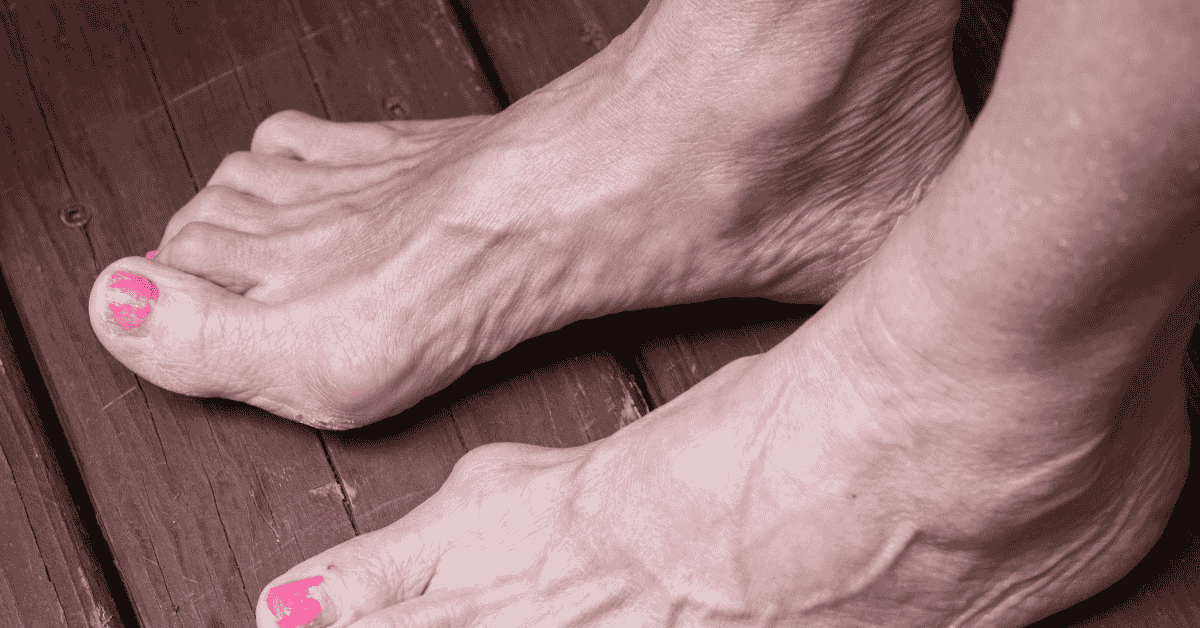
A bunion may start as a small bump at the base of your big toe. At first, it might only cause mild irritation when wearing tighter shoes. But over time, bunions often become larger, more painful, and more difficult to ignore.
At Bellagio Foot & Ankle, we regularly treat patients who wish they had addressed their bunions sooner. The earlier you understand what’s happening, the more treatment options you have.
What Exactly Is a Bunion?
A bunion (hallux valgus) is not just a bump — it’s a structural deformity. It occurs when the big toe gradually shifts inward toward the second toe, while the joint at the base of the toe protrudes outward.
This misalignment develops due to:
-
Genetics
-
Foot structure (flat feet or unstable arches)
-
Improper footwear
-
Biomechanical imbalances
-
Arthritis
In Arizona’s warm climate, sandals and flexible shoes can sometimes provide temporary comfort, but they don’t correct the underlying problem.
Why Bunions Tend to Get Worse
Bunions are progressive. That means they typically worsen over time, especially if left untreated.
As the joint becomes more unstable:
-
The bump enlarges
-
The toe drifts further inward
-
Pain increases
-
Shoes become harder to wear
-
Secondary deformities like hammertoes may develop
Ignoring bunions can lead to chronic inflammation and joint damage.
Conservative Treatment Options
Not every bunion requires surgery. Many patients find relief through non-surgical care, especially in early stages.
Treatment may include:
-
Custom orthotics to stabilize the foot
-
Supportive footwear recommendations
-
Anti-inflammatory therapy
-
Padding or bracing
-
MLS laser therapy for inflammation control
These options won’t reverse the deformity, but they can significantly reduce pain and slow progression.
When Does Surgery Make Sense?
Surgery may be recommended when:
-
Pain interferes with daily activities
-
Conservative treatments no longer provide relief
-
The deformity is worsening
-
There is joint damage
-
You cannot comfortably wear supportive footwear
Modern bunion surgery is far more advanced than many patients realize. Techniques are designed to correct the alignment of the bone, not simply “shave the bump.”
Recovery time depends on the severity of the deformity and the procedure performed. Many patients are surprised to learn that earlier surgical correction often means simpler surgery and faster recovery compared to waiting years.
Common Myths About Bunion Surgery
Myth #1: Surgery is only cosmetic.
Reality: Bunion correction restores proper joint alignment and function.
Myth #2: Recovery takes a year.
Reality: Most patients return to normal shoes within weeks to a few months depending on the procedure.
Myth #3: Bunions always come back.
Reality: When properly corrected and supported, recurrence is uncommon.
The Importance of Early Evaluation
Even if you’re not ready for surgery, a professional evaluation can:
-
Determine severity
-
Identify contributing factors
-
Provide custom treatment options
-
Prevent worsening deformity
The longer a bunion progresses, the more complex correction can become.
Take the Next Step Toward Comfort
If bunion pain is limiting your lifestyle, don’t wait until it becomes severe. Early intervention provides the most options.
Schedule a consultation with Bellagio Foot & Ankle to explore conservative and surgical solutions tailored to your needs.
Schedule a Consultation
Fill out the form below to schedule an appointment. We do our best to contact you within 24-48 hours. Thank you!
A bunion may start as a small bump at the base of your big toe. At first, it might only cause mild irritation when wearing tighter shoes. But over time, bunions often become larger, more painful, and more difficult to ignore.
At Bellagio Foot & Ankle, we regularly treat patients who wish they had addressed their bunions sooner. The earlier you understand what’s happening, the more treatment options you have.
What Exactly Is a Bunion?
A bunion (hallux valgus) is not just a bump — it’s a structural deformity. It occurs when the big toe gradually shifts inward toward the second toe, while the joint at the base of the toe protrudes outward.
This misalignment develops due to:
-
Genetics
-
Foot structure (flat feet or unstable arches)
-
Improper footwear
-
Biomechanical imbalances
-
Arthritis
In Arizona’s warm climate, sandals and flexible shoes can sometimes provide temporary comfort, but they don’t correct the underlying problem.
Why Bunions Tend to Get Worse
Bunions are progressive. That means they typically worsen over time, especially if left untreated.
As the joint becomes more unstable:
-
The bump enlarges
-
The toe drifts further inward
-
Pain increases
-
Shoes become harder to wear
-
Secondary deformities like hammertoes may develop
Ignoring bunions can lead to chronic inflammation and joint damage.
Conservative Treatment Options
Not every bunion requires surgery. Many patients find relief through non-surgical care, especially in early stages.
Treatment may include:
-
Custom orthotics to stabilize the foot
-
Supportive footwear recommendations
-
Anti-inflammatory therapy
-
Padding or bracing
-
MLS laser therapy for inflammation control
These options won’t reverse the deformity, but they can significantly reduce pain and slow progression.
When Does Surgery Make Sense?
Surgery may be recommended when:
-
Pain interferes with daily activities
-
Conservative treatments no longer provide relief
-
The deformity is worsening
-
There is joint damage
-
You cannot comfortably wear supportive footwear
Modern bunion surgery is far more advanced than many patients realize. Techniques are designed to correct the alignment of the bone, not simply “shave the bump.”
Recovery time depends on the severity of the deformity and the procedure performed. Many patients are surprised to learn that earlier surgical correction often means simpler surgery and faster recovery compared to waiting years.
Common Myths About Bunion Surgery
Myth #1: Surgery is only cosmetic.
Reality: Bunion correction restores proper joint alignment and function.
Myth #2: Recovery takes a year.
Reality: Most patients return to normal shoes within weeks to a few months depending on the procedure.
Myth #3: Bunions always come back.
Reality: When properly corrected and supported, recurrence is uncommon.
The Importance of Early Evaluation
Even if you’re not ready for surgery, a professional evaluation can:
-
Determine severity
-
Identify contributing factors
-
Provide custom treatment options
-
Prevent worsening deformity
The longer a bunion progresses, the more complex correction can become.
Take the Next Step Toward Comfort
If bunion pain is limiting your lifestyle, don’t wait until it becomes severe. Early intervention provides the most options.
Schedule a consultation with Bellagio Foot & Ankle to explore conservative and surgical solutions tailored to your needs.