Toenail Fungus Treatment: What Works and When to See a Podiatrist
Toenail Fungus Treatment: What Works and When to See a Podiatrist
Toenail fungus is common, stubborn, and slow to clear. Many people try store-bought products for months before learning that nail fungus usually needs prescription treatment and patience. This guide covers how toenail fungus is diagnosed, which treatments work, how long results take, and when to see a podiatrist.
What is toenail fungus?
Toenail fungus, called onychomycosis, is a fungal infection of the nail. MedlinePlus explains that fungal nail infections often start after a fungal skin infection on the feet, such as athlete’s foot, and are more common in toenails than fingernails. They are most often seen in adults as they age.
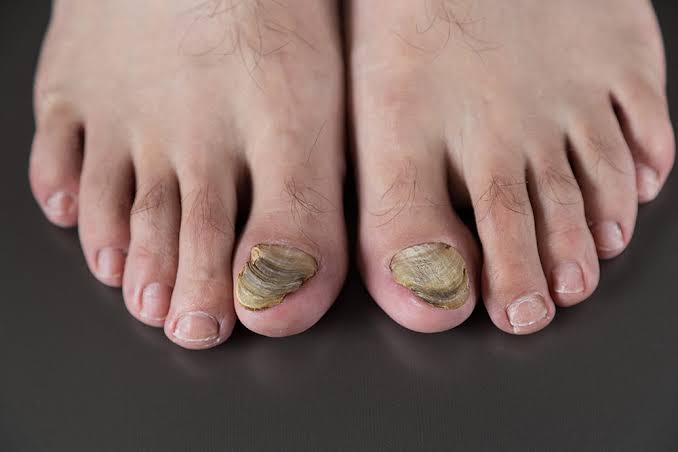
Signs usually develop slowly. MedlinePlus lists common nail changes such as:
- Thickening of the nail
- White or yellow streaks on the side of the nail
- Brittleness or crumbling at the outer edges
- Debris trapped under the nail
- Loosening or lifting of the nail
- Loss of shine and a change in nail shape
Who is more likely to get toenail fungus?
Older adults and people with certain health conditions face higher risk. MedlinePlus lists diabetes, peripheral vascular disease, peripheral neuropathy, minor skin or nail injuries, nail disease, immune system problems, family history, long periods of moist skin, and footwear that does not let air reach the feet.
If you have diabetes or poor circulation, a fungal nail is more than a cosmetic issue. Thick or loose nails can lead to skin breaks, so it is worth having your feet checked. Learn more about diabetic foot care at Bellagio Foot & Ankle.
How is toenail fungus diagnosed?
A provider examines the nails and may take a small sample to confirm the diagnosis. MedlinePlus explains that scrapings can be checked under a microscope or sent for a lab culture, which may take 4 to 6 weeks.
Testing matters because other problems can look like nail fungus. The American Academy of Dermatology (AAD) notes that nail psoriasis or a nail injury can sometimes look similar, and a confirmed diagnosis helps guide treatment.
Do over-the-counter treatments work for toenail fungus?
Usually not on their own. MedlinePlus states that over-the-counter creams and ointments usually do not help treat a fungal nail infection. The AAD explains that non-prescription terbinafine cream is made for skin infections such as athlete’s foot and cannot penetrate the nail.
The AAD also notes that home remedies such as tea tree oil or mentholated ointment have only been tested in small studies, so their effectiveness and side effects are not well known.
What are the prescription treatments for toenail fungus?
Prescription treatment falls into two groups: medicines applied to the nail and antifungal pills. The right choice depends on how many nails are involved, how severe the infection is, your age, other health conditions, and the medications you already take.
Topical (applied to the nail): The AAD lists efinaconazole 10% solution and tavaborole 5% solution, both FDA approved for toenail fungus in patients 6 and older and usually applied daily for 48 weeks, as well as ciclopirox nail lacquer. Topicals are often used for mild to moderate infections. Filing or thinning the nail can help the medicine penetrate.
Oral (by mouth): The AAD describes terbinafine, usually taken daily for 12 weeks for toenails, and itraconazole, also typically taken for 12 weeks for toenails. Both require liver function testing, and itraconazole interacts with many other medicines. MedlinePlus notes that medicines clear the fungus in about half of the people who try them, and that the fungus may return.
What in-office procedures help treat nail fungus?
In-office care can make medicine work better or remove infected nail. The AAD describes nail trimming and debridement (thinning thick nails), nail abrasion, microdrilling to help topical medicine reach under the nail, and partial or full nail removal (avulsion) when other treatments fail.
Debridement can also make thick nails easier to trim and more comfortable in shoes. If a thick or curved nail is also digging into the skin, see our guide to ingrown toenail treatment.
Does laser treatment cure toenail fungus?
Not reliably. The AAD states that the FDA has approved lasers to improve the look of a nail after the infection has cleared, but has not approved any laser to treat the infection itself. MedlinePlus adds that laser treatment is less effective than medicines.
Insurance generally does not cover laser treatment for nail appearance, according to the AAD. Ask your provider about proven options first.
How long does toenail fungus treatment take?
Expect months, not weeks. Even after the fungus is gone, the damaged nail has to grow out. MedlinePlus notes it may take up to a year for a new clear nail to grow, and the AAD notes that a removed toenail can take 12 to 18 months to regrow.
Because recurrence is common, the AAD says some patients use maintenance therapy after the infection clears. Keeping feet clean and dry, wearing breathable shoes, and not sharing nail tools can also help, according to MedlinePlus.
When should you see a podiatrist for toenail fungus?
See a podiatrist if a nail is thick, painful, lifting, or spreading to other nails, or if store-bought products have not helped. People with diabetes, poor circulation, or a weakened immune system should not wait.
Get care promptly if the skin around a nail becomes red, swollen, warm, or drains pus. Visit the nail fungus treatment page to learn how Bellagio Foot & Ankle evaluates nail problems, and check our insurance information before your visit.
Ready to treat a stubborn toenail? Call Bellagio Foot & Ankle at (480) 717-5011 or contact us online to schedule a visit.
Frequently asked questions
What is the fastest way to get rid of toenail fungus?
There is no instant fix. Prescription treatment, sometimes combined with nail debridement, is the most reliable approach, but the nail still needs months to grow out clear.
Does Vicks VapoRub cure toenail fungus?
It has not been proven. The American Academy of Dermatology notes that only small studies have looked at mentholated ointment and tea tree oil, so effectiveness and side effects are not well known.
Is toenail fungus contagious?
Fungal nail infections often start from a fungal skin infection such as athlete’s foot. Not sharing nail tools and keeping feet clean and dry can lower the risk of spreading it.
Can toenail fungus come back after treatment?
Yes. Recurrence is common, sometimes a year or more after clearing. Some patients use maintenance treatment to help prevent it.
Should people with diabetes treat toenail fungus?
Yes. Diabetes raises the risk of fungal nail infections, and thick or loose nails can lead to skin breaks. People with diabetes should have nail changes checked by a podiatrist.
Sources
- American Academy of Dermatology: Nail fungus: Diagnosis and treatment
- MedlinePlus (National Library of Medicine): Fungal nail infection
- American Podiatric Medical Association: Toenail Fungus
This article is general health information, not medical advice. Book an evaluation with a qualified provider for a diagnosis and treatment plan.