

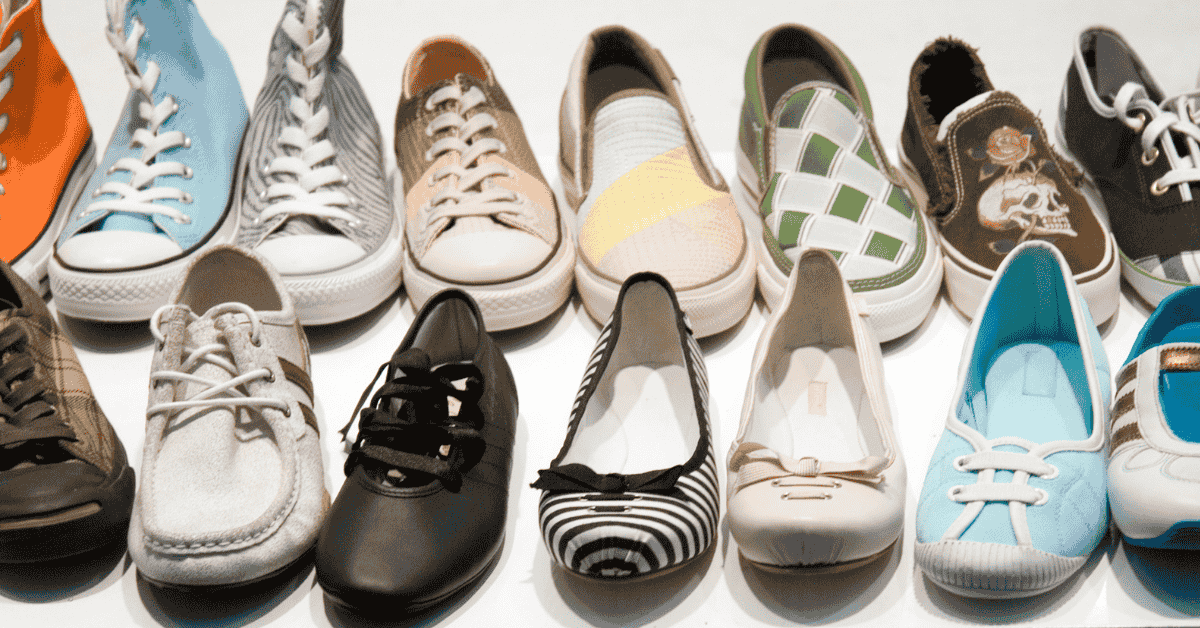
When it comes to foot health, most people assume that if a shoe feels comfortable, it must be good for their feet.
Unfortunately, that’s not always true.
At Bellagio Foot & Ankle, we often see patients wearing shoes they love — shoes that feel soft, flexible, and “comfortable” — yet those same shoes are contributing to chronic foot pain, instability, and long-term structural issues.
Let’s break down why “comfortable” footwear can sometimes be misleading — and what your feet actually need.
The Comfort Myth: Soft Doesn’t Equal Supportive
Many popular shoes prioritize cushioning over structure. While soft foam and flexible soles may feel great initially, they often lack the support necessary to maintain proper foot alignment.
Without adequate support, your foot may:
- Collapse inward (overpronation)
- Roll outward (supination)
- Lose arch stability
- Compensate in ways that strain muscles and tendons
Over time, this can contribute to conditions like plantar fasciitis, tendonitis, and even knee or hip pain.
Common “Comfort” Features That Can Cause Problems
1. Ultra-Flexible Soles
Shoes that bend easily may feel natural, but they often fail to support the arch and midfoot. This can increase strain on the plantar fascia.
2. Excessive Cushioning
While cushioning reduces impact, too much softness can create instability. Your foot works harder to stabilize itself, leading to fatigue and pain.
3. Lack of Arch Support
Flat insoles are common in casual shoes, sandals, and even some athletic footwear. Without proper arch support, your foot mechanics are compromised.
4. Slip-On Designs
Shoes without laces or straps often don’t secure the foot properly, causing your toes to grip for stability — leading to overuse and discomfort.
What Supportive Footwear Should Actually Provide
A truly supportive shoe should:
- Maintain your natural arch
- Provide a stable heel counter
- Limit excessive motion
- Distribute pressure evenly
- Fit securely without squeezing
Comfort should come from stability — not just softness.
Why This Matters More in Arizona
In Arizona, many people rely on sandals, flip-flops, and lightweight footwear due to the warm climate. While convenient, these styles often lack the structure needed for long-term foot health.
Wearing unsupportive shoes daily can gradually lead to chronic conditions that require medical treatment.
When to Consider Professional Guidance
If you experience:
- Foot fatigue by the end of the day
- Heel pain in the morning
- Arch discomfort
- Frequent ankle rolling
- Knee or hip pain linked to walking
Your footwear may be part of the problem.
At Bellagio Foot & Ankle, we evaluate your foot structure, walking pattern, and lifestyle to recommend footwear and orthotic solutions tailored to your needs.
The Right Shoe Can Change Everything
Switching to properly supportive footwear can:
- Reduce pain
- Improve posture
- Prevent injuries
- Enhance daily comfort
Sometimes, the simplest change makes the biggest difference.
Don’t Let “Comfort” Mislead You
If your shoes feel good but your feet don’t, it’s time to take a closer look.
Schedule an evaluation with Bellagio Foot & Ankle and make sure your footwear is working for you — not against you.
Schedule a Consultation
Fill out the form below to schedule an appointment. We do our best to contact you within 24-48 hours. Thank you!
When it comes to foot health, most people assume that if a shoe feels comfortable, it must be good for their feet.
Unfortunately, that’s not always true.
At Bellagio Foot & Ankle, we often see patients wearing shoes they love — shoes that feel soft, flexible, and “comfortable” — yet those same shoes are contributing to chronic foot pain, instability, and long-term structural issues.
Let’s break down why “comfortable” footwear can sometimes be misleading — and what your feet actually need.
The Comfort Myth: Soft Doesn’t Equal Supportive
Many popular shoes prioritize cushioning over structure. While soft foam and flexible soles may feel great initially, they often lack the support necessary to maintain proper foot alignment.
Without adequate support, your foot may:
- Collapse inward (overpronation)
- Roll outward (supination)
- Lose arch stability
- Compensate in ways that strain muscles and tendons
Over time, this can contribute to conditions like plantar fasciitis, tendonitis, and even knee or hip pain.
Common “Comfort” Features That Can Cause Problems
1. Ultra-Flexible Soles
Shoes that bend easily may feel natural, but they often fail to support the arch and midfoot. This can increase strain on the plantar fascia.
2. Excessive Cushioning
While cushioning reduces impact, too much softness can create instability. Your foot works harder to stabilize itself, leading to fatigue and pain.
3. Lack of Arch Support
Flat insoles are common in casual shoes, sandals, and even some athletic footwear. Without proper arch support, your foot mechanics are compromised.
4. Slip-On Designs
Shoes without laces or straps often don’t secure the foot properly, causing your toes to grip for stability — leading to overuse and discomfort.
What Supportive Footwear Should Actually Provide
A truly supportive shoe should:
- Maintain your natural arch
- Provide a stable heel counter
- Limit excessive motion
- Distribute pressure evenly
- Fit securely without squeezing
Comfort should come from stability — not just softness.
Why This Matters More in Arizona
In Arizona, many people rely on sandals, flip-flops, and lightweight footwear due to the warm climate. While convenient, these styles often lack the structure needed for long-term foot health.
Wearing unsupportive shoes daily can gradually lead to chronic conditions that require medical treatment.
When to Consider Professional Guidance
If you experience:
- Foot fatigue by the end of the day
- Heel pain in the morning
- Arch discomfort
- Frequent ankle rolling
- Knee or hip pain linked to walking
Your footwear may be part of the problem.
At Bellagio Foot & Ankle, we evaluate your foot structure, walking pattern, and lifestyle to recommend footwear and orthotic solutions tailored to your needs.
The Right Shoe Can Change Everything
Switching to properly supportive footwear can:
- Reduce pain
- Improve posture
- Prevent injuries
- Enhance daily comfort
Sometimes, the simplest change makes the biggest difference.
Don’t Let “Comfort” Mislead You
If your shoes feel good but your feet don’t, it’s time to take a closer look.
Schedule an evaluation with Bellagio Foot & Ankle and make sure your footwear is working for you — not against you.