

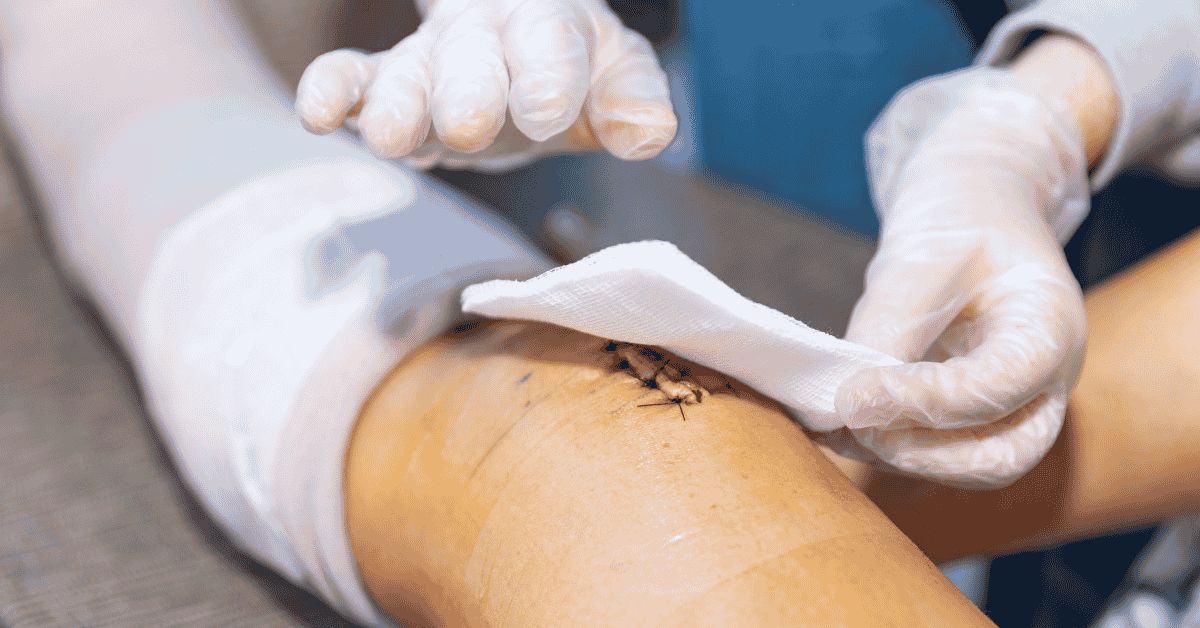
A small cut on the foot might not seem like a big deal — until it doesn’t heal.
Foot wounds can become serious quickly, particularly for individuals with diabetes, circulation problems, or neuropathy. At Bellagio Foot & Ankle, advanced wound care and limb preservation are critical parts of patient care.
Understanding why wounds sometimes fail to heal can save mobility — and in severe cases, save limbs.
Why the Foot Is Vulnerable
Your feet endure:
-
Constant pressure
-
Friction from footwear
-
Exposure to moisture
-
Reduced circulation (especially in diabetics)
Unlike wounds on other parts of the body, foot injuries are subjected to weight-bearing stress daily.
The Three Main Reasons Wounds Don’t Heal
1. Poor Circulation
Blood delivers oxygen and nutrients needed for healing. Reduced circulation slows tissue repair and increases infection risk.
Peripheral arterial disease and diabetes are common causes.
2. Neuropathy
When sensation is reduced, patients may continue walking on an injured area without realizing it. Repeated pressure prevents healing and deepens the wound.
3. Infection
Even small wounds can become infected. Signs include:
-
Redness
-
Swelling
-
Warmth
-
Drainage
-
Foul odor
If untreated, infection can spread to deeper tissues or bone.
What Is a Diabetic Foot Ulcer?
A diabetic foot ulcer is an open sore that develops due to pressure, poor circulation, and neuropathy.
Without proper treatment, ulcers can progress rapidly. Early intervention significantly improves outcomes.
Advanced Wound Care Treatments
At Bellagio Foot & Ankle, wound management may include:
-
Debridement (removal of damaged tissue)
-
Offloading devices to relieve pressure
-
Advanced dressings
-
Infection management
-
Regenerative therapies
-
Coordination with vascular specialists if needed
The goal is always to promote healing while preventing recurrence.
Why “Waiting It Out” Is Dangerous
A wound that doesn’t improve within several days requires evaluation. The longer it remains untreated, the higher the risk of:
-
Deep infection
-
Tissue loss
-
Hospitalization
-
Amputation
Early care dramatically reduces these risks.
Daily Foot Checks Save Limbs
Especially for diabetic patients, daily inspection is essential. Look for:
-
Blisters
-
Cracks
-
Color changes
-
Drainage
-
Swelling
If something doesn’t look right, seek professional care promptly.
Protect Your Long-Term Mobility
Foot wounds are not just skin problems — they are medical conditions requiring expert care.
If you notice a sore that isn’t healing, schedule an evaluation immediately. Prompt treatment can make the difference between simple recovery and serious complications.
Schedule a Consultation
Fill out the form below to schedule an appointment. We do our best to contact you within 24-48 hours. Thank you!
A small cut on the foot might not seem like a big deal — until it doesn’t heal.
Foot wounds can become serious quickly, particularly for individuals with diabetes, circulation problems, or neuropathy. At Bellagio Foot & Ankle, advanced wound care and limb preservation are critical parts of patient care.
Understanding why wounds sometimes fail to heal can save mobility — and in severe cases, save limbs.
Why the Foot Is Vulnerable
Your feet endure:
-
Constant pressure
-
Friction from footwear
-
Exposure to moisture
-
Reduced circulation (especially in diabetics)
Unlike wounds on other parts of the body, foot injuries are subjected to weight-bearing stress daily.
The Three Main Reasons Wounds Don’t Heal
1. Poor Circulation
Blood delivers oxygen and nutrients needed for healing. Reduced circulation slows tissue repair and increases infection risk.
Peripheral arterial disease and diabetes are common causes.
2. Neuropathy
When sensation is reduced, patients may continue walking on an injured area without realizing it. Repeated pressure prevents healing and deepens the wound.
3. Infection
Even small wounds can become infected. Signs include:
-
Redness
-
Swelling
-
Warmth
-
Drainage
-
Foul odor
If untreated, infection can spread to deeper tissues or bone.
What Is a Diabetic Foot Ulcer?
A diabetic foot ulcer is an open sore that develops due to pressure, poor circulation, and neuropathy.
Without proper treatment, ulcers can progress rapidly. Early intervention significantly improves outcomes.
Advanced Wound Care Treatments
At Bellagio Foot & Ankle, wound management may include:
-
Debridement (removal of damaged tissue)
-
Offloading devices to relieve pressure
-
Advanced dressings
-
Infection management
-
Regenerative therapies
-
Coordination with vascular specialists if needed
The goal is always to promote healing while preventing recurrence.
Why “Waiting It Out” Is Dangerous
A wound that doesn’t improve within several days requires evaluation. The longer it remains untreated, the higher the risk of:
-
Deep infection
-
Tissue loss
-
Hospitalization
-
Amputation
Early care dramatically reduces these risks.
Daily Foot Checks Save Limbs
Especially for diabetic patients, daily inspection is essential. Look for:
-
Blisters
-
Cracks
-
Color changes
-
Drainage
-
Swelling
If something doesn’t look right, seek professional care promptly.
Protect Your Long-Term Mobility
Foot wounds are not just skin problems — they are medical conditions requiring expert care.
If you notice a sore that isn’t healing, schedule an evaluation immediately. Prompt treatment can make the difference between simple recovery and serious complications.