

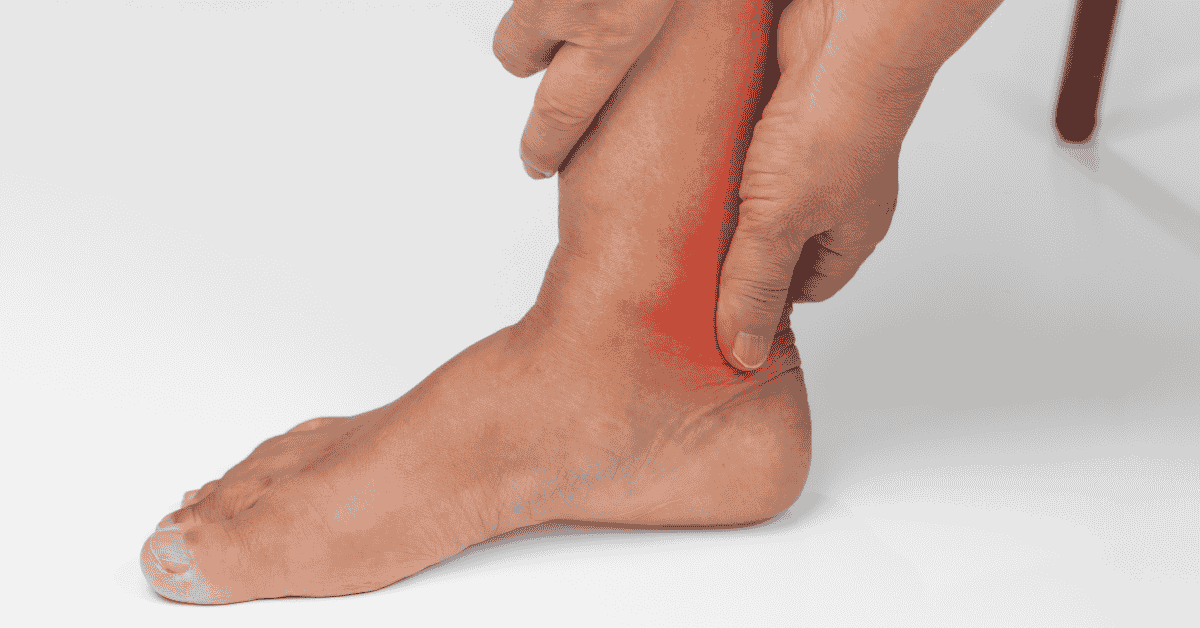
Heel pain is one of the most common reasons patients visit a podiatrist. In Arizona, especially with active lifestyles and long hours on hard surfaces, many people assume their discomfort must be plantar fasciitis. While plantar fasciitis is common, heel pain is not always that simple.
At Bellagio Foot & Ankle, we frequently see patients who have been self-treating for months—sometimes years—under the assumption that their heel pain is “just plantar fasciitis.” The truth is, several different conditions can cause heel pain, and proper diagnosis is the key to long-term relief.
What Is Plantar Fasciitis?
Plantar fasciitis occurs when the thick band of tissue running along the bottom of your foot (the plantar fascia) becomes inflamed. Classic symptoms include:
-
Sharp pain with the first steps in the morning
-
Pain after long periods of sitting
-
Tenderness at the bottom of the heel
But if your pain doesn’t follow this pattern, or isn’t improving with rest, stretching, or over-the-counter inserts, something else may be going on.
Other Common Causes of Heel Pain
1. Stress Fractures
In active adults, runners, or individuals who recently increased activity, a stress fracture in the heel bone (calcaneus) can mimic plantar fasciitis. Unlike fascia pain, stress fracture pain may worsen with activity and feel deeper within the bone.
Ignoring this condition can lead to a complete fracture.
2. Achilles Tendinitis
Pain located at the back of the heel may indicate Achilles tendon inflammation rather than plantar fasciitis. This condition is common in athletes, pickleball players, and individuals who suddenly increase walking or hiking.
Symptoms may include:
-
Stiffness in the morning
-
Swelling along the tendon
-
Pain when pushing off the foot
3. Nerve Entrapment
Burning, tingling, or shooting pain in the heel may indicate a compressed nerve, sometimes referred to as Baxter’s nerve entrapment. Unlike plantar fasciitis, nerve-related pain may not improve with stretching alone.
4. Fat Pad Atrophy
As we age, the natural cushioning under the heel thins. This can cause a bruised, deep aching sensation—especially when walking on hard surfaces.
This is common in adults over 50 and is often misdiagnosed.
5. Systemic Conditions
Inflammatory disorders such as arthritis can also cause persistent heel pain. When pain appears in both heels or is accompanied by joint stiffness elsewhere, further evaluation is important.
Why Proper Diagnosis Matters
Heel pain that lingers for months can alter your walking pattern. That compensation can lead to:
-
Knee pain
-
Hip discomfort
-
Lower back strain
-
Chronic ankle instability
At Bellagio Foot & Ankle, our team performs a comprehensive biomechanical exam, imaging if necessary, and a personalized treatment plan designed for long-term relief—not temporary fixes.
Treatment Options May Include:
-
Custom orthotics
-
MLS laser therapy
-
Physical therapy protocols
-
Immobilization when necessary
-
Regenerative medicine options
-
Surgical correction (only when conservative care fails)
Early treatment almost always means faster recovery.
Don’t Guess. Get Answers.
If your heel pain hasn’t improved—or keeps returning—it’s time for a professional evaluation. The right diagnosis can make all the difference between chronic frustration and lasting relief.
Schedule an appointment with Bellagio Foot & Ankle today and take the first step toward pain-free movement.
Schedule a Consultation
Fill out the form below to schedule an appointment. We do our best to contact you within 24-48 hours. Thank you!
Heel pain is one of the most common reasons patients visit a podiatrist. In Arizona, especially with active lifestyles and long hours on hard surfaces, many people assume their discomfort must be plantar fasciitis. While plantar fasciitis is common, heel pain is not always that simple.
At Bellagio Foot & Ankle, we frequently see patients who have been self-treating for months—sometimes years—under the assumption that their heel pain is “just plantar fasciitis.” The truth is, several different conditions can cause heel pain, and proper diagnosis is the key to long-term relief.
What Is Plantar Fasciitis?
Plantar fasciitis occurs when the thick band of tissue running along the bottom of your foot (the plantar fascia) becomes inflamed. Classic symptoms include:
-
Sharp pain with the first steps in the morning
-
Pain after long periods of sitting
-
Tenderness at the bottom of the heel
But if your pain doesn’t follow this pattern, or isn’t improving with rest, stretching, or over-the-counter inserts, something else may be going on.
Other Common Causes of Heel Pain
1. Stress Fractures
In active adults, runners, or individuals who recently increased activity, a stress fracture in the heel bone (calcaneus) can mimic plantar fasciitis. Unlike fascia pain, stress fracture pain may worsen with activity and feel deeper within the bone.
Ignoring this condition can lead to a complete fracture.
2. Achilles Tendinitis
Pain located at the back of the heel may indicate Achilles tendon inflammation rather than plantar fasciitis. This condition is common in athletes, pickleball players, and individuals who suddenly increase walking or hiking.
Symptoms may include:
-
Stiffness in the morning
-
Swelling along the tendon
-
Pain when pushing off the foot
3. Nerve Entrapment
Burning, tingling, or shooting pain in the heel may indicate a compressed nerve, sometimes referred to as Baxter’s nerve entrapment. Unlike plantar fasciitis, nerve-related pain may not improve with stretching alone.
4. Fat Pad Atrophy
As we age, the natural cushioning under the heel thins. This can cause a bruised, deep aching sensation—especially when walking on hard surfaces.
This is common in adults over 50 and is often misdiagnosed.
5. Systemic Conditions
Inflammatory disorders such as arthritis can also cause persistent heel pain. When pain appears in both heels or is accompanied by joint stiffness elsewhere, further evaluation is important.
Why Proper Diagnosis Matters
Heel pain that lingers for months can alter your walking pattern. That compensation can lead to:
-
Knee pain
-
Hip discomfort
-
Lower back strain
-
Chronic ankle instability
At Bellagio Foot & Ankle, our team performs a comprehensive biomechanical exam, imaging if necessary, and a personalized treatment plan designed for long-term relief—not temporary fixes.
Treatment Options May Include:
-
Custom orthotics
-
MLS laser therapy
-
Physical therapy protocols
-
Immobilization when necessary
-
Regenerative medicine options
-
Surgical correction (only when conservative care fails)
Early treatment almost always means faster recovery.
Don’t Guess. Get Answers.
If your heel pain hasn’t improved—or keeps returning—it’s time for a professional evaluation. The right diagnosis can make all the difference between chronic frustration and lasting relief.
Schedule an appointment with Bellagio Foot & Ankle today and take the first step toward pain-free movement.